
Angola Makes Progress in Upstream Sector Triggering Investments and Growth
Recent advancements in Angola’s upstream sector have sparked interest from IOCs, presenting the opportunity for increased domestic production.

Recent advancements in Angola’s upstream sector have sparked interest from IOCs, presenting the opportunity for increased domestic production.
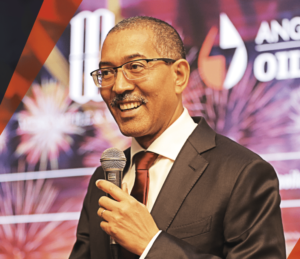
An accelerated push by the government of Angola to expand the country’s downstream sector has led to key projects gaining traction.

State-owned utility Eskom has announced plans to issue a request for proposals for the supply of gas to its Ankerlig and Gourikwa open-cycle gas turbine power stations, as well as potentially repower some of its decommissioning power stations in Mpumalanga province using gas-to-power technology.

With the gap between infrastructure and energy funding growing, how can project developers diversify their funding strategies?
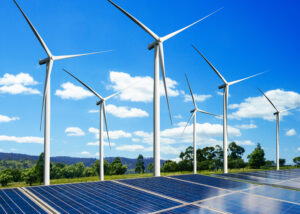
Angola aims to increase energy generated from renewable sources and attract greater FDI from the EU and international financial institutions.
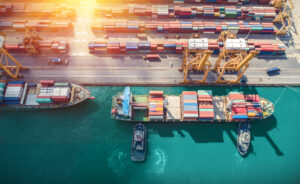
While Angola’s government prioritizes expansion across its diverse energy sector, improvements within the logistics industry are being considered to streamline distribution and exports.
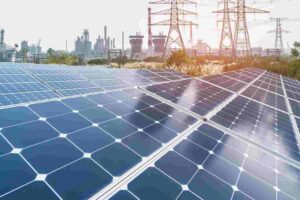
According to multiple analyses, the country is one of the most attractive ones in the MENA.

When it comes to building the future of energy in Africa, the decisions facing the continent’s leaders today are nothing less than of historical importance.
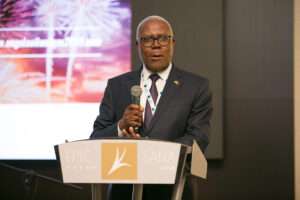
The implementation of Sonangol’s Regeneration Program will position the southern African country’s state-owned company as a competitive and profitable energy company.
Taking advantage of its strategic oceanic position on the Atlantic coast, the Republic of Angola’s ports offer the potential for global maritime transportation and economic development as prioritized by the government’s 2018-2022 National Development Plan.

Recent advancements in Angola’s upstream sector have sparked interest from IOCs, presenting the opportunity for increased domestic production.

An accelerated push by the government of Angola to expand the country’s downstream sector has led to key projects gaining traction.

State-owned utility Eskom has announced plans to issue a request for proposals for the supply of gas to its Ankerlig and Gourikwa open-cycle gas turbine power stations, as well as potentially repower some of its decommissioning power stations in Mpumalanga province using gas-to-power technology.

With the gap between infrastructure and energy funding growing, how can project developers diversify their funding strategies?

Angola aims to increase energy generated from renewable sources and attract greater FDI from the EU and international financial institutions.

While Angola’s government prioritizes expansion across its diverse energy sector, improvements within the logistics industry are being considered to streamline distribution and exports.

According to multiple analyses, the country is one of the most attractive ones in the MENA.

When it comes to building the future of energy in Africa, the decisions facing the continent’s leaders today are nothing less than of historical importance.

The implementation of Sonangol’s Regeneration Program will position the southern African country’s state-owned company as a competitive and profitable energy company.
Taking advantage of its strategic oceanic position on the Atlantic coast, the Republic of Angola’s ports offer the potential for global maritime transportation and economic development as prioritized by the government’s 2018-2022 National Development Plan.