

Assessing the Impact of EV Adoption in Africa
Share This Article
Electric vehicles (EVs) are gaining traction across Africa as countries seek solutions to environmental challenges and aim to modernize their transportation systems. In Nigeria, Kenya and South Africa, the adoption of electric mobility is becoming a key priority as the countries seek to reduce emissions and address energy demands. As large-scale investments in EV manufacturing and charging stations continue to shape policies and encourage green mobility, the continent is primed for local and international investments in infrastructure, energy development and regional connectivity.
Local EV Initiatives
Last month, Nigeria’s government agency the Federal Executive Council approved contracts worth approximately $100 million to deploy electric buses and tricycles in the country’s North-East region, along with building charging infrastructure. This initiative, funded by the North East Development Commission, aims to reduce carbon emissions and promote energy efficiency. Local company Bluecrest Integrated Concept Ltd. will provide electric buses while various firms will supply 10,000 electric tricycles.
During the same month, South Africa’s National Treasury announced a $54.2 million investment to support the local production of new-energy vehicles, batteries and related manufacturing projects. As sub-Saharan Africa’s largest automotive manufacturing hub, the country aims to transition to a mix of electric and internal combustion engine vehicles by 2035, as outlined in its 2023 Electric Vehicles White Paper. The government will also implement a critical minerals strategy to boost the production of EV batteries and solar panels, encouraging further investment.
Kenya aims to become a key producer of electric buses, cars and motorbikes. Through Kenyan electric bus company Basi-Go, the country plans to assemble 1,000 electric buses for public transportation by 2027. In July 2024, Kenyan company Afrigreen Automobile and Chinese vehicle manufacturer Chery signed a $20 million deal to establish an assembly plant to produce between 5,000 and 6,000 EVs annually.
The Role of Charging Infrastructure
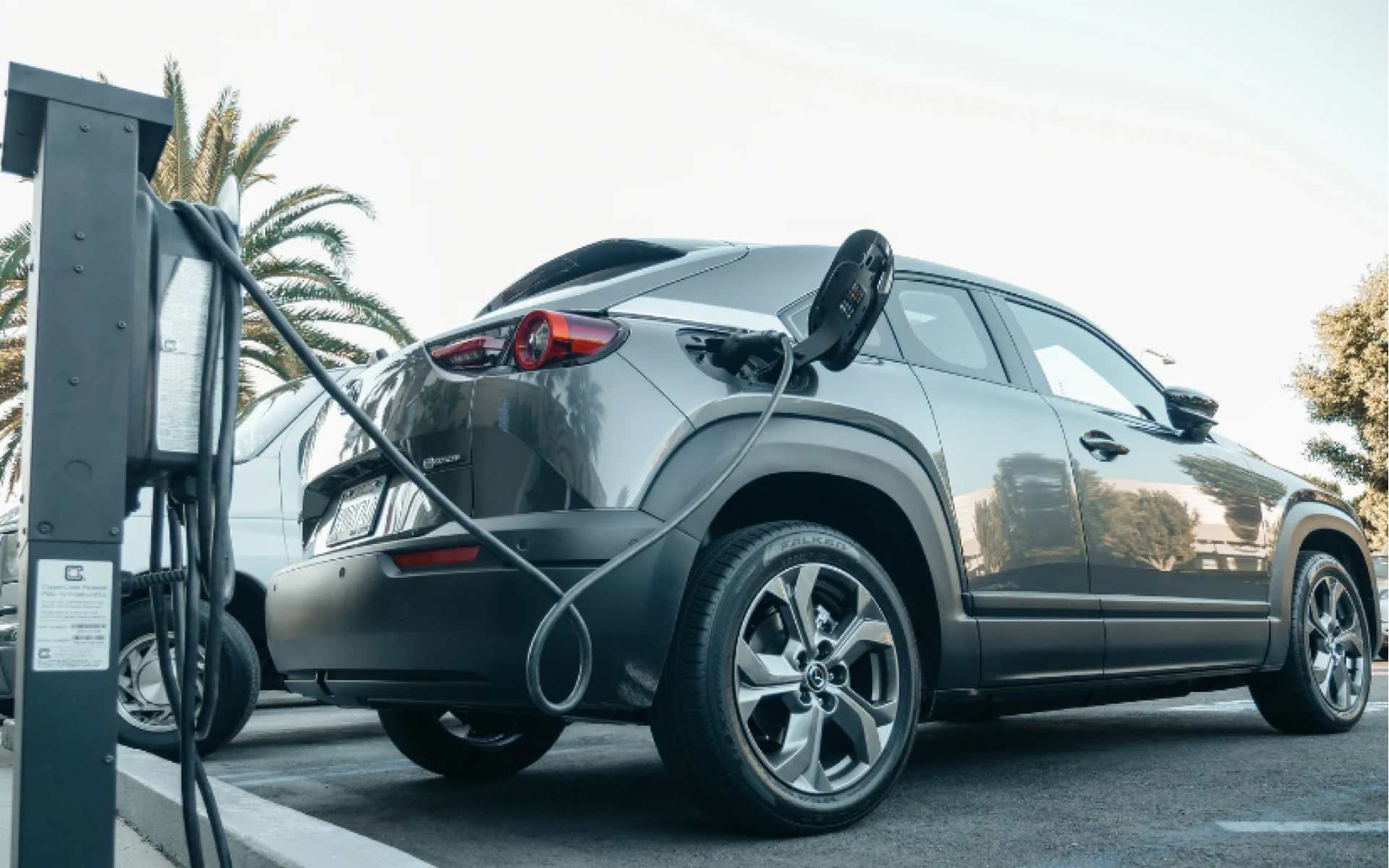
As the pace of EV manufacturing and roll-out accelerates in Africa, the need to boost associated charging infrastructure becomes more prevalent. In South Africa, the country has seen a significant shift towards EVs, with efforts to expand charging infrastructure. Notably, in January 2025, the country introduced a 150% tax deduction for vehicles manufacturers to attract investment in EV and hydrogen vehicle manufacturing. Effective from March 1, 2026, until March 1, 2036, the policy aims to position the country as a key player in the global EV market. The incentive applies to investments in new facilities, equipment and upgrades to existing assets used primarily for manufacturing EVs and hydrogen-powered vehicles, encouraging both local and international investment. In an additional boost to the industry, EV charging station contractor Zero Carbon Charge plans to establish 120 off-grid EV charging stations along major routes in South Africa. To support this infrastructure roll-out, the company is working with major EV suppliers in China.
Meanwhile, in 2024, Kenya’s state utility Kenya Power announced a $1.9 million investment in charging stations over three years. Additionally, the National Building Code mandates 5% of commercial parking spaces be allocated for EV charging. Kenya also recently launched Africa’s first hybrid EV battery laboratory in Nairobi. The facility will offer battery testing, analysis and reconditioning services to support the growing demand for hybrid vehicles. It will provide local support for Kenyan car owners, ensuring easy maintenance.
About author
Matthew Goosen
Featured Stories

Angola at 50: AOG 2025 Affirms Oil and Gas as a Development Driver
Anine Kilian
2025-05-09

USAEF to Spotlight African Energy Opportunities, U.S.-Africa Collaboration
Anine Kilian
2025-04-25